

How Proper Surface Preparation Boosts Roadline Performance and Life
November 12, 2025
Why Outdoor Logo Markings Need Polyurethane Paint
November 26, 2025
Applying roadline paint may seem simple, but achieving clean, durable, and long-lasting markings requires skill and the right techniques. Even experienced contractors can make small mistakes that lead to peeling, fading, uneven lines, or expensive rework. Since Malaysia’s weather is both hot and humid, proper application methods matter even more. Below are the most common mistakes and how to avoid them for better performance and longer-lasting results.
1. Skipping Proper Surface Preparation
Many problems start with poor surface preparation. Dust, sand, oil stains, loose stones, or moisture prevent the paint from bonding well. As a result, the markings may peel or wear off quickly.
How to avoid it:
- Clean the surface with blowers or stiff brushes
- Remove oil or grease using a suitable cleaner
- Make sure the pavement is fully dry before painting
Good surface preparation improves adhesion for all types of coatings, including waterborne, thermoplastic acrylic, solventborne epoxy, and solventborne polyurethane.
2. Painting Too Early in the Morning
Contractors often start early to avoid traffic, but this can cause issues. Morning dew, cooler pavement, and high humidity slow down drying and reduce adhesion.
Better approach:
- Paint from late morning to early afternoon, when the pavement has dried completely and the surface temperature is stable.
3. Ignoring Weather Conditions
Rushing to paint before a job deadline can be risky. Sudden rain or overly humid conditions can damage fresh paint, especially waterborne roadline paint.
What to do instead:
- Check weather forecasts
- Avoid painting two to three hours before expected rain
- Use fast-dry systems like Crimson Rise Waterborne Roadline Paint for safer, quicker results
This helps you maintain quality even with unpredictable weather.
4. Applying the Wrong Paint Thickness
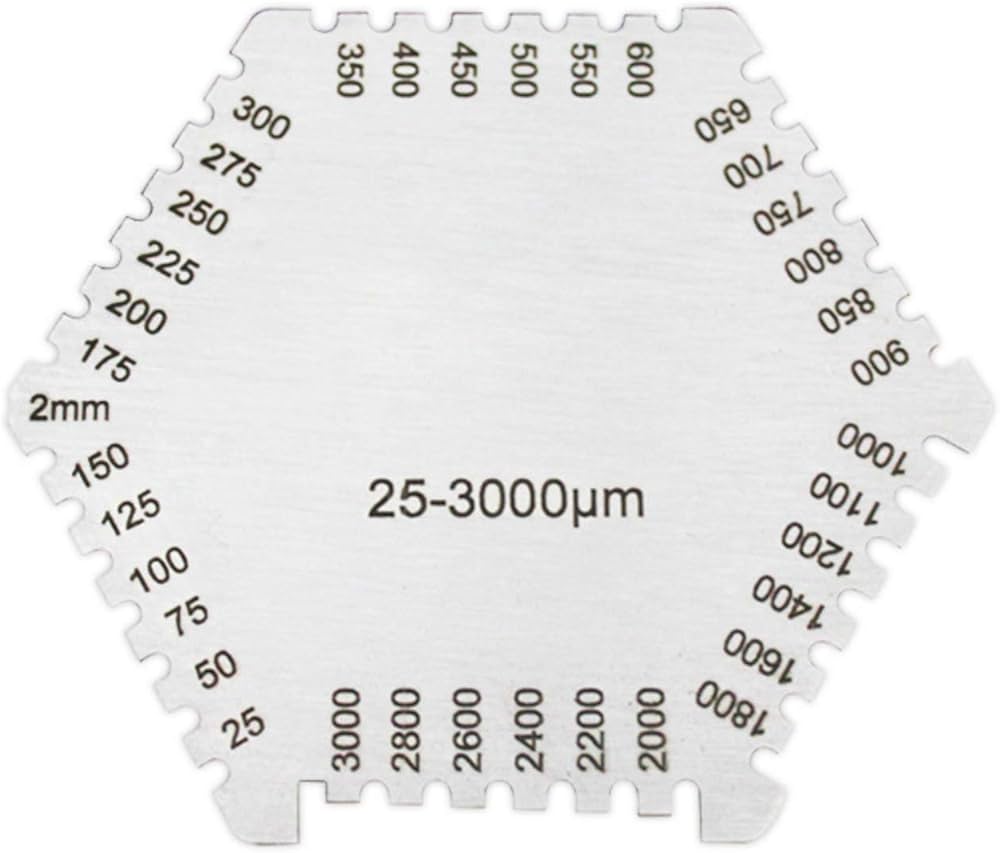
When the paint layer is too thin, it wears out quickly. However, if it is too thick, the paint may dry slowly and produce uneven lines. Consistent paint thickness ensures bright visibility and better durability.
Recommended approach:
- Follow the wet film thickness stated by the manufacturer
- Use a wet film gauge to measure the applied thickness
5. Using the Wrong Paint for the Job
Different surfaces and environments require different paint systems.
- Waterborne roadline paint → Fast drying, eco-friendly, ideal for roads, runways, and crossings
- Solvent-based thermoplastic acrylic → Strong adhesion, good for high-traffic roads
- Solventborne epoxy and polyurethane → Best for warehouse floors, industrial lines, and outdoor logo markings (PU offers excellent UV resistance)
Choosing the correct product helps you reduce maintenance costs and improve long-term performance.
Better Road Markings Start with Better Practices
With Malaysia’s challenging weather, contractors need proper techniques to ensure lasting results. Crimson Rise Paint offers high-quality waterborne, solventborne, epoxy, and polyurethane coatings designed to handle local conditions.
Explore our full range of solutions at: https://crimsonrisepaint.com/our-products/.


